
ESOGASTRIC SURGERY
Gastroesophageal Reflux Disease
When stomach contents move up into the esophagus
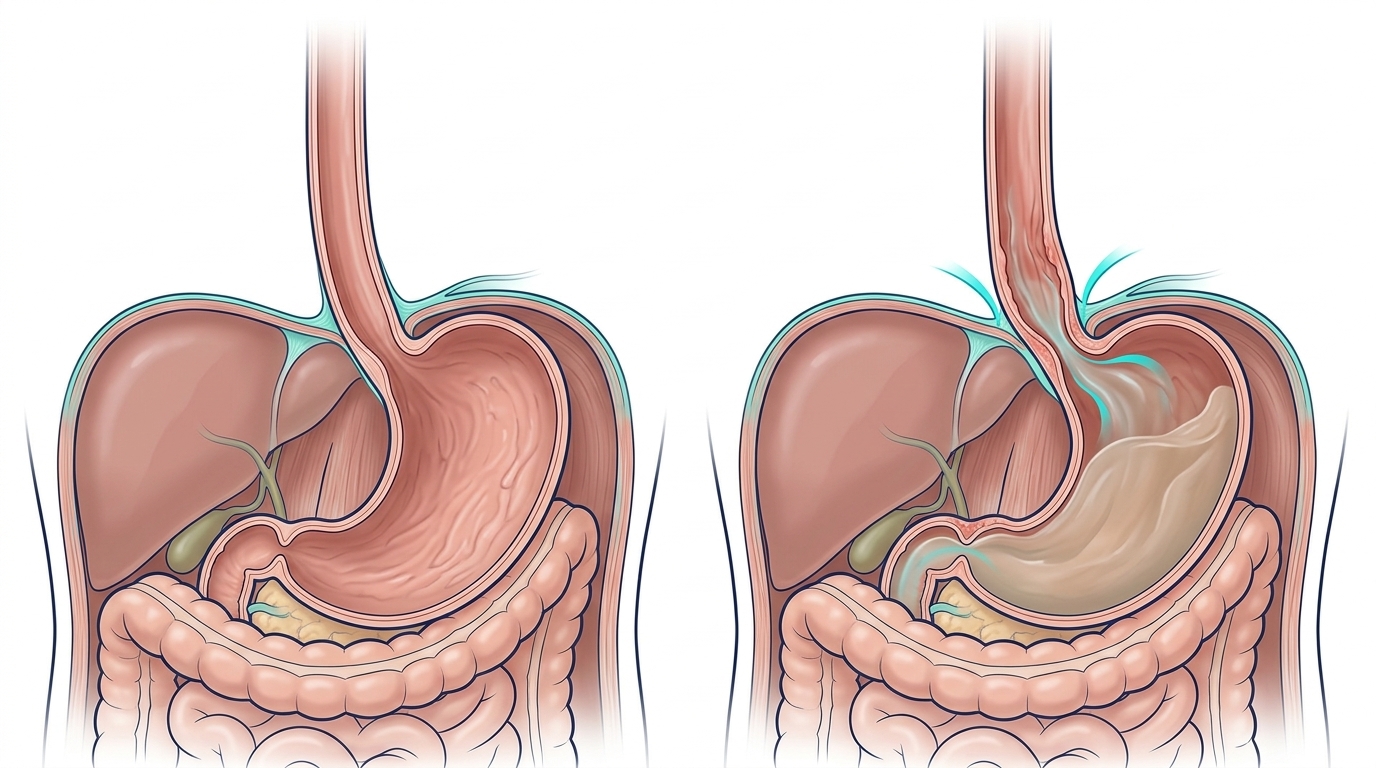
Gastroesophageal reflux disease occurs when the contents of the stomach move up into the esophagus.
When it becomes frequent, bothersome, or leads to complications, it can significantly affect quality of life.
Heartburn, regurgitation, or more atypical symptoms may be present. A precise evaluation helps confirm the diagnosis, understand its mechanisms, and offer appropriate management.
What is Gastroesophageal Reflux Disease?
The upward movement of gastric contents into the esophagus
After being swallowed, food travels down the esophagus before reaching the stomach.
At the junction between these two organs, several anatomical and functional mechanisms normally act to prevent gastric contents from moving back upward.
When this anti-reflux barrier becomes insufficient, the contents of the stomach can reflux into the esophagus.
Occasional episodes can occur without constituting a disease. It is considered pathological gastroesophageal reflux disease when it causes bothersome symptoms or complications.
What are the Symptoms of Reflux?
Manifestations that can vary widely
The most characteristic symptoms of reflux are heartburn and regurgitation.
They can appear after meals, in certain positions, or during the night.
Some people also present less typical manifestations. In these situations, it is particularly important to determine whether the symptoms are actually caused by reflux.
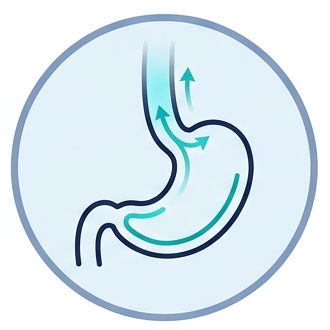
Heartburn
A burning sensation rising behind the breastbone.
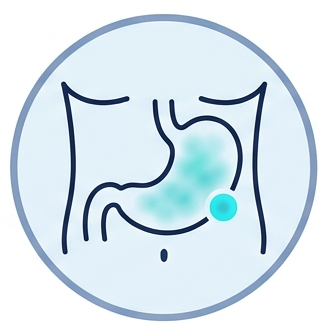
Regurgitation
Backflow of liquid or gastric content into the esophagus or mouth.
Chest or Digestive Discomfort
Epigastric or chest discomfort can sometimes accompany reflux.
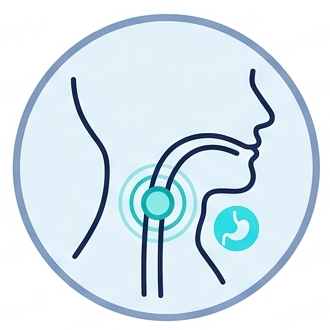
Extra-esophageal Manifestations
Cough, throat irritation, or certain ENT symptoms may sometimes be associated with reflux.
Why Does Reflux Occur?
Several mechanisms may be involved
Reflux does not always have a single cause.
The functioning of the junction between the esophagus and stomach, the anatomy of the diaphragm, variations in abdominal pressure, and other individual factors can all play a role.
The Anti-reflux Barrier
The junction between the esophagus and stomach normally helps limit the backflow of gastric contents.
Hiatal Hernia
A hiatal hernia can alter this anatomy and promote reflux, but hiatal hernia and gastroesophageal reflux disease are not synonymous.
Other Factors
Weight, certain eating habits, large meals, certain positions, or other individual factors can influence symptoms in some people.
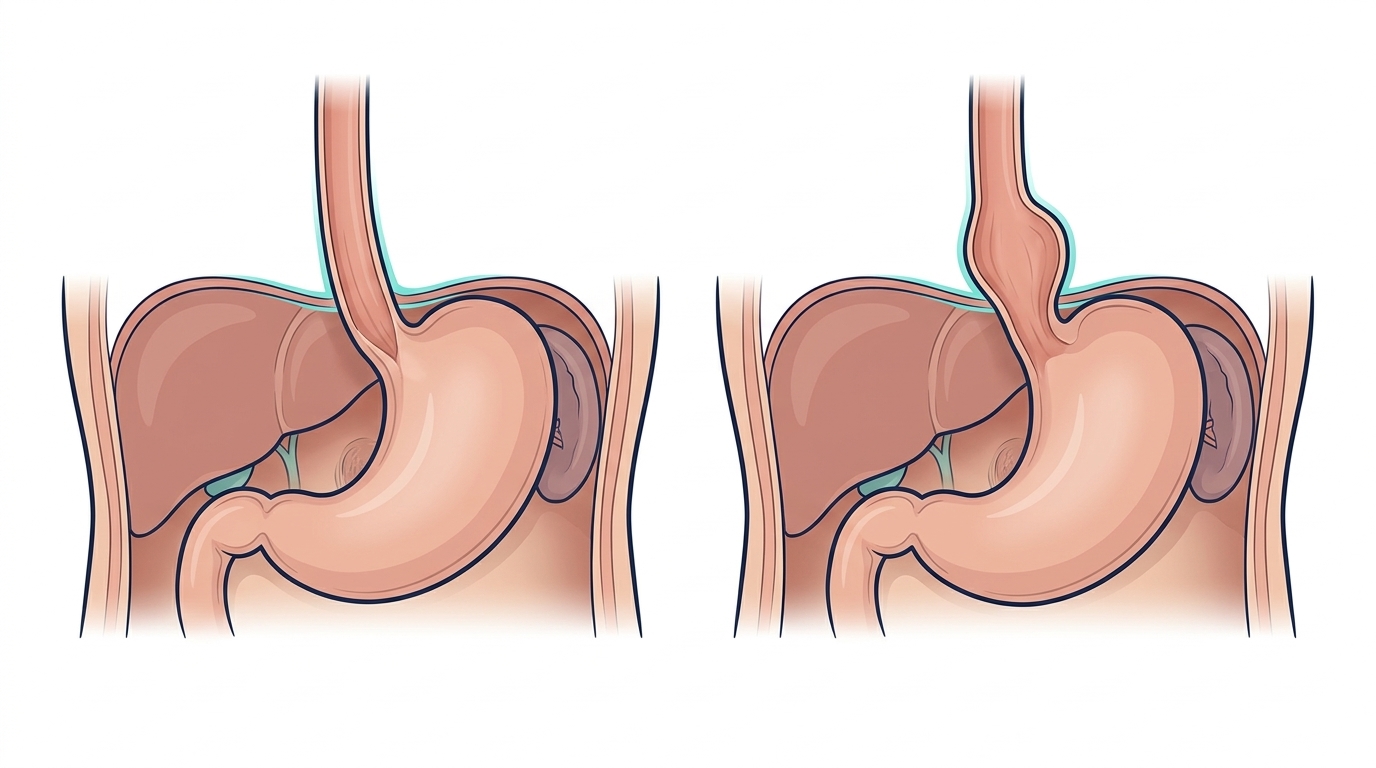
Reflux can exist without a hiatal hernia, and a hiatal hernia can exist without symptomatic reflux.
How is Reflux Diagnosed?
A workup tailored to symptoms and the treatment being considered
The evaluation begins with a consultation to clarify the symptoms, their frequency, the circumstances in which they occur, and any treatments already tried.
In certain situations, particularly when surgery is being considered or symptoms are atypical, further tests can provide additional information and objectively confirm reflux.
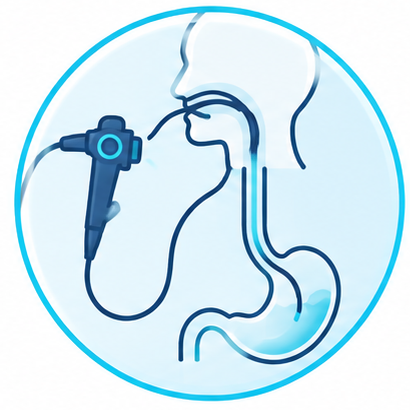
Gastroscopy
Allows examination of the esophagus and stomach and screening for esophagitis, certain complications, or a hiatal hernia.
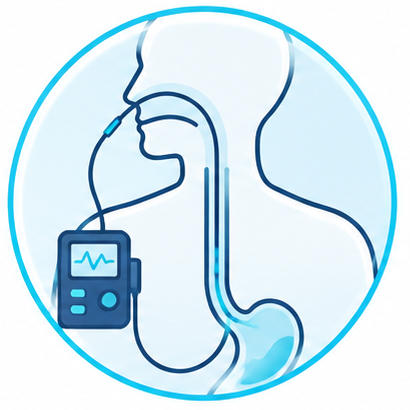
pH monitoring / impedance
These tests objectively measure reflux episodes and, depending on the technique used, can study their relationship with symptoms.
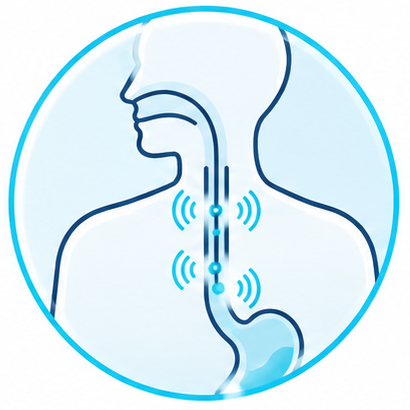
Esophageal manometry
Studies esophageal motility and plays a role in the workup preceding anti-reflux surgery.
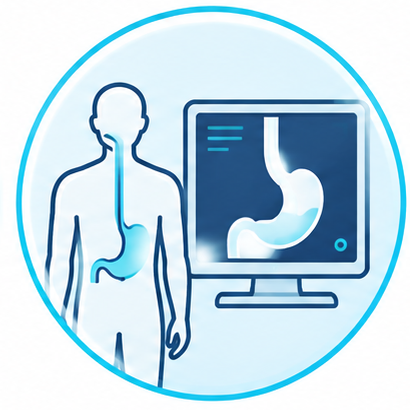
Imaging
In certain situations, an upper GI contrast study or other imaging can provide additional anatomical information.
For the preoperative workup, SAGES guidelines give a role to endoscopy, manometry, and objective reflux measurement, with additional tests depending on the situation.
Not all patients need all of these tests. The workup is tailored to the symptoms and the strategy being considered.
How is Reflux Treated?
Treatment depends on the situation
Management depends on the frequency and intensity of symptoms, their impact, the results of the workup, and the response to treatments already tried.
Everyday Lifestyle Measures
Certain adjustments can help reduce symptoms depending on the triggering factors identified.
These may include meal timing and portion size, certain trigger foods, positioning after meals, or weight management when relevant.
Medical Treatment
Proton pump inhibitors (PPIs) are a major treatment for gastroesophageal reflux disease.
They reduce gastric acid production and can control symptoms and promote healing of esophagitis.
Treatment is tailored to each patient and reassessed based on its effectiveness and the clinical situation.
When to Consider Surgery?
An Intervention for Selected Situations
Surgery is not necessary for all patients with reflux.
It may be discussed in certain patients with objectively confirmed reflux, particularly when the disease is chronic, when symptoms remain insufficiently controlled despite appropriate management, or when an alternative to long-term medical treatment is being considered.
The decision is based on symptoms, the results of the work-up, the anatomy of the esophagogastric junction, and the patient’s expectations.
SAGES guidelines consider surgical fundoplication as an option in selected adults with confirmed chronic or refractory reflux, while emphasizing the conditional nature of this recommendation.
Before considering surgery, it is essential to confirm that the symptoms one wishes to treat are truly related to reflux.
How Does Anti-reflux Surgery Work?
Restoring an Effective Barrier Between the Stomach and the Esophagus
The goal of surgery is to restore an effective anti-reflux barrier, while allowing the normal passage of food into the stomach.
When an associated hiatal hernia requires repair, the stomach is repositioned below the diaphragm and the esophageal hiatus is restored.
An anti-reflux procedure may then be added.
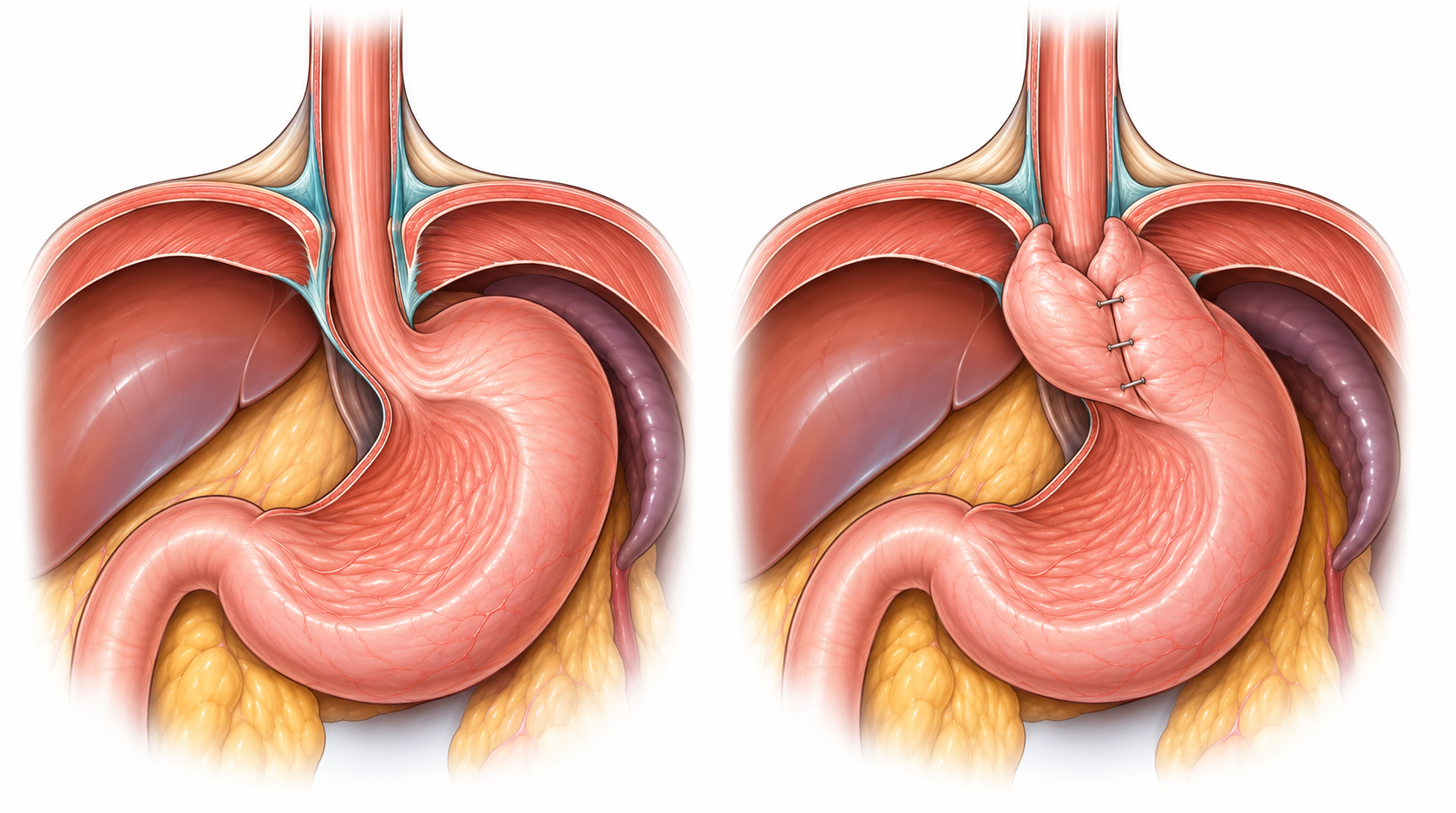
Fundoplication
Fundoplication uses the upper part of the stomach, called the fundus, to reinforce the barrier around the lower part of the esophagus.
There are different techniques, including complete or partial fundoplications.
The choice depends in particular on anatomy, esophageal function, symptoms, and the individual situation. SAGES guidelines recognize both complete and partial fundoplications as possible options, with an individualized choice.
The goal is not to close off the esophagus, but to restore an anti-reflux barrier while preserving the normal passage of food.
What If a Hiatal Hernia Is Present?
Treating the Anatomy When It Contributes to Reflux
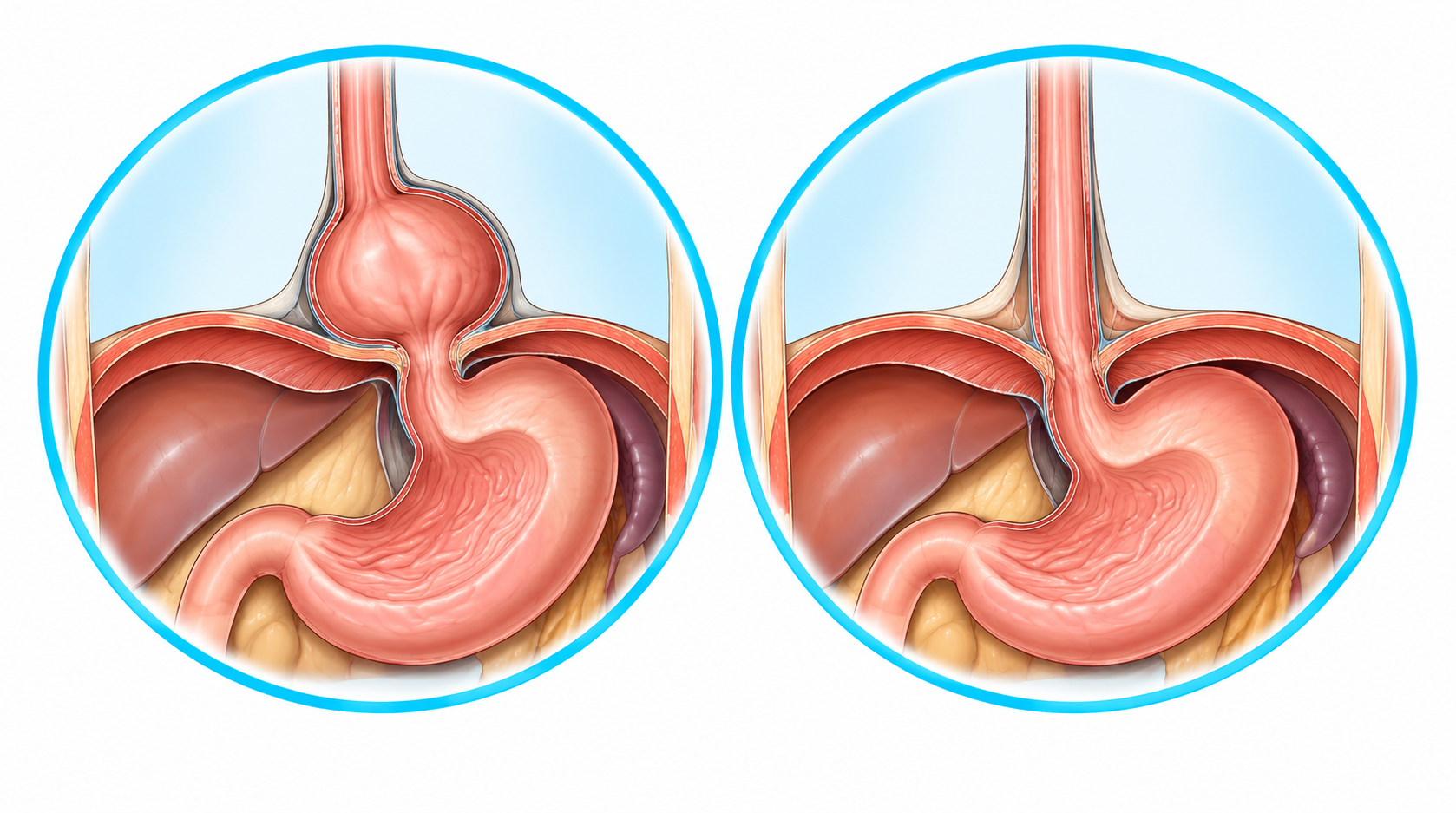
When a significant hiatal hernia is associated with reflux and surgery is indicated, the repair may also include repositioning the stomach below the diaphragm and restoring the esophageal hiatus.
The strategy depends on the anatomy observed and the results of the work-up.
Repair of the hiatal hernia and the anti-reflux procedure are two distinct components of surgery that can be combined when the situation warrants it.
Laparoscopic or Robot-Assisted Surgery
Different Minimally Invasive Approaches
Anti-reflux surgery is generally performed using a minimally invasive approach when suited to the situation.
Laparoscopy
The surgeon operates through several small abdominal incisions using a camera and fine instruments.
Robot-Assisted Surgery
A robot-assisted approach may also be used in certain situations.
The surgeon controls the instruments from a console offering three-dimensional vision and articulated instruments.
The robot does not operate autonomously. Every movement of the instruments is controlled by the surgeon.
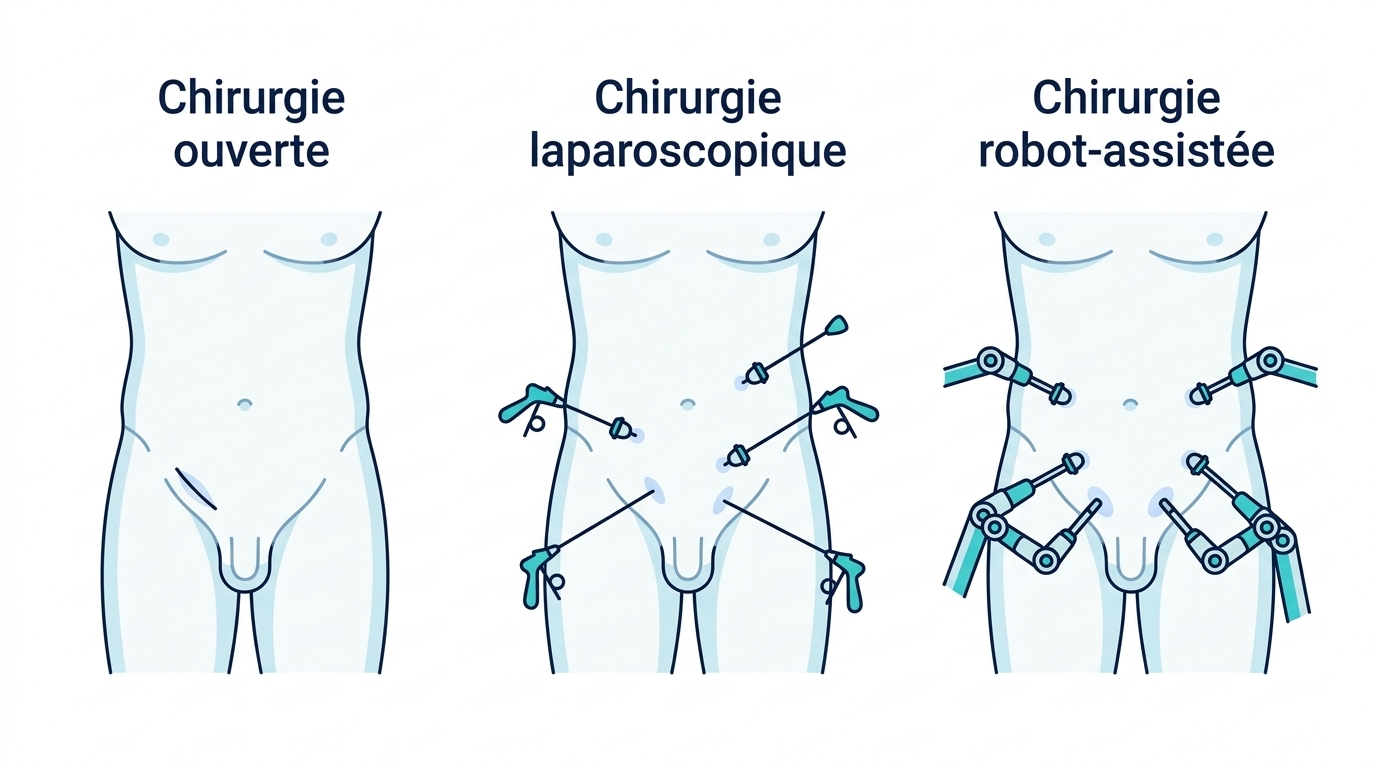
Current SAGES guidelines consider laparoscopic and robot-assisted approaches as possible options for fundoplication; available data do not show a general superiority of one approach in terms of efficacy and safety.
What Are the Risks?
Information Tailored to Each Patient
As with any surgical procedure, anti-reflux surgery carries general and specific risks.
Dysphagia can occur after anti-reflux surgery. It is often transient but may sometimes persist and require further investigation.
Some patients may experience a sensation of bloating or a change in their ability to belch.
Symptoms or reflux may reappear during follow-up.
When a hiatal hernia has been repaired, anatomical recurrence remains possible.
As with any procedure, bleeding, infection, or injury to a nearby structure are possible.
The expected benefits, alternatives, and risks specific to your situation are discussed before surgery.
After Surgery
A Gradual Return to Eating and Activities
Mobilization is generally encouraged early after surgery.
Eating is resumed gradually. During the first few weeks, it may be necessary to temporarily adapt food texture, bite size, and the pace of meals.
Daily activities are also resumed gradually according to recovery.
The return to work, sport, and more strenuous efforts depends on the surgery performed and individual progress.
Personalized instructions are given after surgery to adapt diet and the resumption of activities to your situation.

Personalized Care
Confirming the Diagnosis Before Choosing Treatment
Symptoms attributed to reflux are not always caused by gastroesophageal reflux disease.
The consultation allows for analysis of symptoms, treatments already tried, and available examinations.
When necessary, further investigations help objectively confirm reflux, assess esophageal function, and look for a possible hiatal hernia. When surgery is being considered, the goal is to propose a strategy tailored to the identified mechanism and the individual situation.
Dr Pierre Fournier
General and Visceral Surgery
[Actual photo of Dr Fournier — to be added once available]
Frequently Asked Questions:
Reflux refers to the backward flow of stomach contents into the esophagus. A hiatal hernia is an anatomical change in which part of the stomach moves up through the diaphragm. The two can be associated, but they are not synonymous.
No. A hiatal hernia can promote reflux, but some hernias do not cause symptomatic reflux.
Yes.
No. Reflux can be present without any visible lesion on gastroscopy. Depending on the situation, pH monitoring or impedance monitoring can help confirm it.
PPIs reduce stomach acidity and can effectively control symptoms and promote healing of esophagitis. However, they do not necessarily correct the anatomical or functional mechanisms promoting reflux.
Surgery may be discussed in certain patients with confirmed reflux after an appropriate work-up, particularly in chronic or refractory situations. The decision remains individualized.
Fundoplication uses the upper part of the stomach to reinforce the anti-reflux barrier around the distal esophagus.
Yes. There are complete and partial fundoplications. The choice depends in particular on the clinical situation and the preoperative work-up.
Yes, a robot-assisted approach may be used in certain situations. The robot is controlled at all times by the surgeon. Available guidelines consider laparoscopic and robot-assisted approaches as possible options for patients undergoing fundoplication.
Do You Suffer From Gastroesophageal Reflux?
When symptoms persist, recur, or affect quality of life, an evaluation can clarify their origin and determine appropriate management.
The consultation allows for analysis of symptoms, treatments already tried, and, when necessary, the results of a specialized work-up.